Watch refractory lining, slag line and hot spots inside EAF, BOF, ladle and reheating furnaces — without waiting for a full cool-down.
Place 1.mp4 in the site root to play the inspection video here.
Steelmaking furnaces work with molten metal and slag at extreme temperatures, and refractory wear directly controls safety, heat count and relining cost.
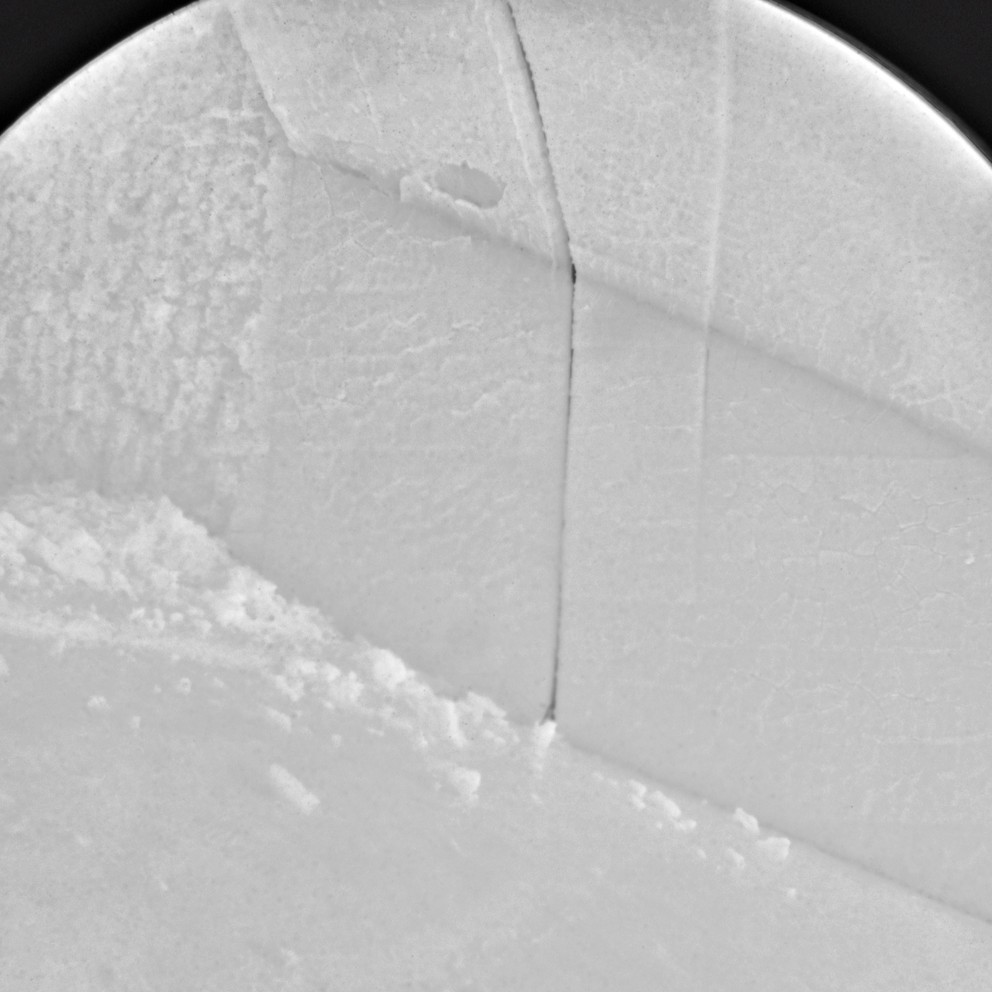
Our high temperature endoscope inspects the lining, slag line and tap hole through existing openings while the furnace is still hot — so wear is measured on actual condition, not on a fixed schedule.


Steel furnace linings are exposed to:
A breakout or unplanned reline is one of the costliest events in a steel plant. Hot inspection finds thin lining and slag-line wear early, so relining is planned on real condition.
Remaining lining thickness and uneven wear of the working lining.
Accelerated erosion at the slag/metal interface.
Condition and wear of the tap hole and runner.
Local thin spots and abnormal thermal zones.
Thermal cracks and refractory peeling.
Build-up, erosion and skull on the furnace bottom.
Sidewall, slag line and hot-spot wear.
Converter lining and tap-hole condition.
Working lining, slag line and well block.
Refractory and skid/wall condition.
Crucible lining wear and coil protection area.
Tap-hole, runner and selected lining areas.
Select a tap hole, door or port and prepare the insertion point.
Guide the cooled probe toward the lining or slag line.
View the interior in real time on the monitor.
Record images and video of worn areas.
Provide references for gunning, relining and heat planning.
Tell us your furnace type, temperature and the lining areas you need to observe — we'll recommend the right probe configuration.